SIS DISTRIBUTION (THAILAND) PUBLIC COMPANY LIMITEDSET: SIS🇹🇭 TH

Risk Management · 2025

Risk Management Policy & Plan

Policy & Plan Description

In an increasingly dynamic and complex business environment, the Company is presented with diverse risks, challenges, and opportunities. Acknowledging the critical importance of robust risk management practices, the Company is committed to implementing Enterprise Risk Management (ERM) as an integral mechanism for effectively mitigating risks while fostering opportunities to achieve sustainable growth. By implementing ERM, the Company aims to keep risks at an acceptable level, aligning with its vision, mission, goals, and business strategies.
To ensure a standardized and holistic approach to risk management, the Company has adopted the COSO ERM 2017 Framework (COSO Enterprise Risk Management Framework) as the foundational guideline for enterprise-wide operations. This globally recognized framework enables the Company to systematically identify, assess, and manage risks while aligning risk management initiatives with strategic planning to support the achievement of its long-term objectives. To enhance the effectiveness of its risk management practices and ensure alignment with the COSO ERM 2017 Framework, the Company has established the following risk mana gement plan:
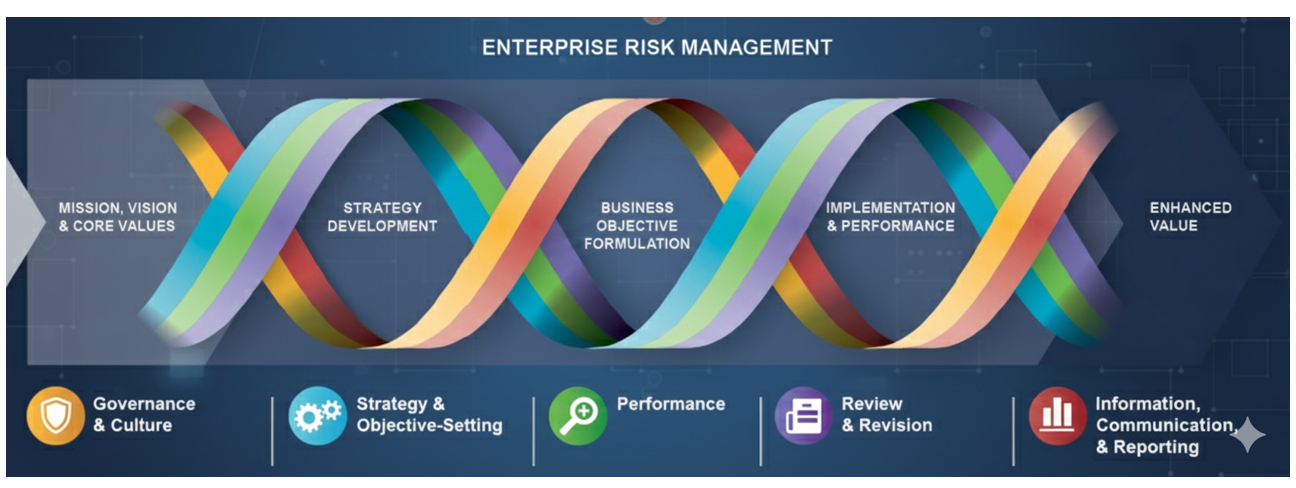

1.Governance and Organizational Culture

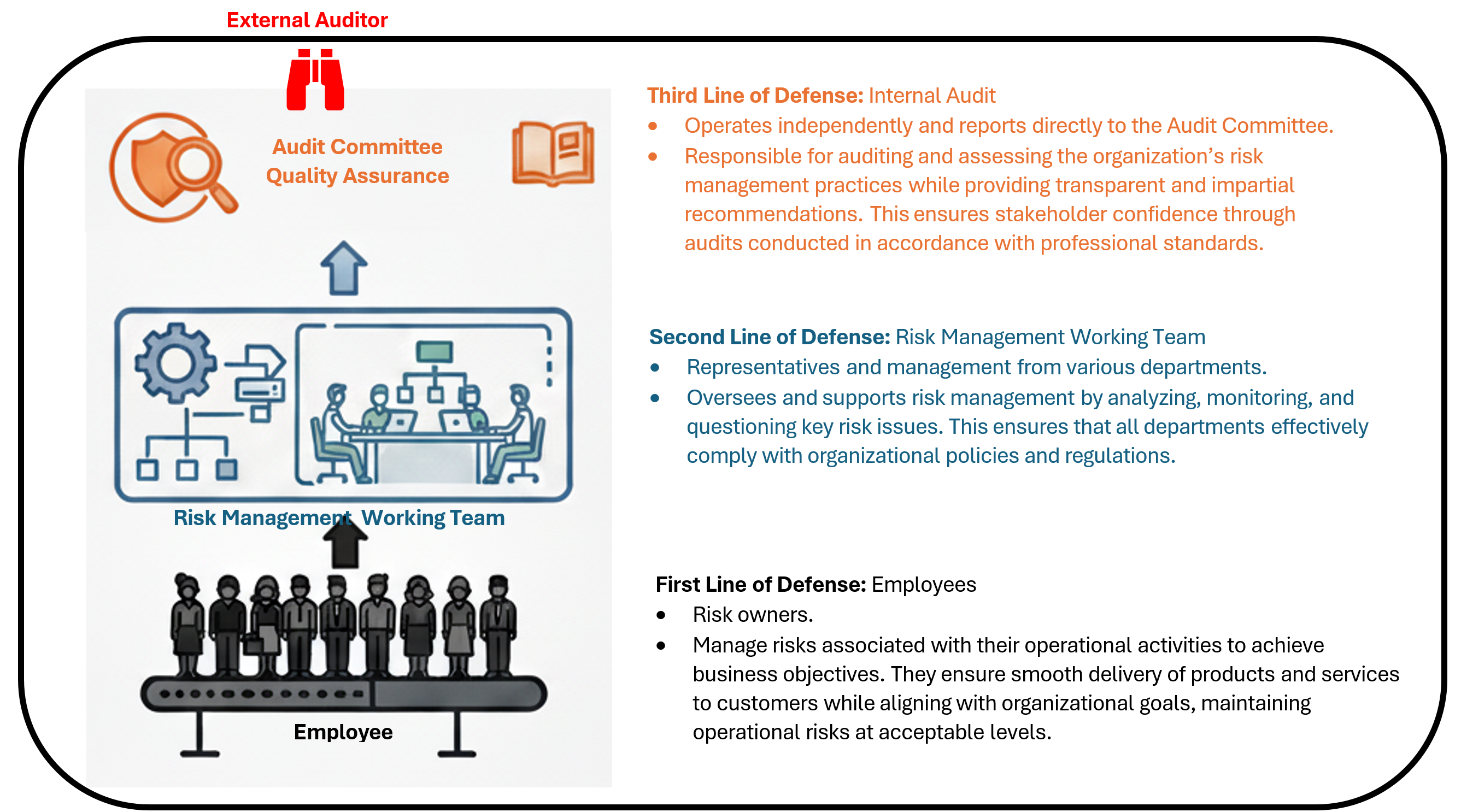
  • The Board of Directors has appointed the Risk Management Committee to establish the framework, policies, and risk management plans. To ensure checks and balances, the Board of Directors has also assigned the Audit Committee to oversee and monitor risk management to ensure alignment with the established plans and policies. The Risk Management Committee regularly coordinates with the Audit Committee through dedicated working groups and committee secretaries to discuss and communicate key risks, integrate risk management with internal controls, and report risk management outcomes to the Board of Directors.

  • The Company has established a Risk Management working team, led by the Managing Director and composed of Management and department managers. This working team is responsible for risk ownership and is required to prepare risk management reports for submission to the Risk Management Committee, which in turn reports to the Board of Directors.

  • Additionally, the Risk Management Committee has developed initiatives to promote awareness of risk management and sustainable development among directors, Management, and employees. The committee aims to embed a risk management culture as an integral part of the organization's processes at all l evels.

2 .Risk Management Plan

  • Strategy and Objective Setting

    • Analyze and identify risk factors that may impact the achievement of business strategies, while assessing the likelihood and potential impact of risks.

    • Prioritize risks to ensure effective and appropriate risk management.

  • Risk Management Performance

    • Establish risk management measures based on the 4Ts framework (Tolerate, Treat, Terminate, and Transfer) to ensure an appropriate, comprehensive, and strategic response to risks, aligning with the organization's strategic objectives.

    • Integrate risk management into business planning and decision-making processes to enhance effectiveness.

  • Review & Revision

    • Ensure alignment with the organization’s business context, strategies, and objectives to develop appropriate risk management approaches.

    • Continuously review and enhance risk management processes, ensuring flexibility to adapt to evolving business challenges and environmental changes.

  • Information Communication & Reporting

    • Communicate risk-related matters across all levels, ensuring stakeholders are informed of key risks and response strategies.

    • Disclose critical risk-related information and potential impacts to support well-informed decision-making by stakeholders.

In addition to risk management under the COSO ERM 2017 framework, the Company has adopted the Three Lines of Defense model to enhance independence and effectiveness in control, oversight, and auditing. This approach ensures compliance with established risk management policies and processes, clarifies roles and responsibilities within the organization, and strengthens stakeholder confidence. It also supports sustainable organizational development through the continuous improvement of the risk management system. The defense structure is as follows:
Risks to the Company's Business Operations

Risk Register

Risk NameRisk CharacteristicsConsequencesManagement MeasuresRelated Risk Factors
Risk from Changing in Business Model of Vendors

The rapid evolution of the current environment and technology compels manufacturers to adjust their business models to remain relevant and meet changing customer demands.

  • Changes in Distribution Channels: Vendors may expand their distribution channels, such as direct-to-consumer online platforms or appoint additional distributors in Thailand, potentially reducing the Company's market share.

  • Increase in Exclusive Distributors: Vendors may establish exclusive relationships with certain distributors, which could impact the Company’s ability to access products or maintain its existing market presence.

  • Changes in Trade Terms: Alterations in vendors’ requirements, such as revised operational standards or higher minimum order quantities, could introduce operational challenges for the Company.

Recognizing these risks, the Company has implemented an effective risk management plan, ensuring no significant impact from these risks in 2025. Key risk mitigation measures include:

  • Strategic Relationships with Vendors Building: Establishes long-term or special agreements to secure the Company’s rights as a distributor, particularly for vendors that appoint the Company as an Exclusive Distributor.

  • Product Portfolio Diversification: Continuously expands the range of imported products to reduce dependency on any single manufacturer.

  • Compliance Processes Enhancement: Closely monitors changes in trade terms and leveraging technology to ensure effective adherence to requirements.

  • Differentiated Value Creation: Focuses on after-sales services, technical consulting, and strategic support to enhance customer satisfaction and distinguish the Company from competitors.

  • Customer Relationships Management: Maintains robust connections with existing customers while actively expanding the customer base.

  • Industry Trends and Changes Monitoring: Keeps abreast of industry developments to identify and address potential business impacts in a timely and effective manner.

728 · Description: Volatility in the industry in which the company operates · Info category: STRATEGIC_RISK · 732 · Description: Changes in technologies · Info category: STRATEGIC_RISK · 733 · Description: Business operations of partners in the supply chain · Info category: STRATEGIC_RISK
Risk from Technological Advancements Affecting Inventory

In the current era of rapid technological progress, the Company faces significant risks related to inventory obsolescence and its ability to align with evolving market demands.

  • Obsolescence of Inventory: The accelerated pace of technological development may result in inventory becoming outdated, limiting its marketability or reducing sales volumes, thereby diminishing its value.

  • Inventory Costs Exceeding Market Value: The emergence of replacement technologies could lead to the accounting value of inventory surpassing its prevailing market price.

  • Shifting Customer Demand: Changes in customer demands may render older product models less desirable or difficult to sell, as consumers increasingly favor newer, technologically advanced alternatives.

  • Storage Costs: Maintaining inventory incurs operational expenses, including storage space, maintenance, and depreciation.

  • Challenges in Inventory Management: Inaccurate demand forecasting could result in either excessive or insufficient inventory levels, adversely impacting operational efficiency and financial performance.

The Company recognizes the critical importance of effectively managing this risk. In 2025, the Company successfully mitigated the associated risks, resulting in minimal adverse impacts. This achievement was made possible through the implementation of the following risk management strategies:

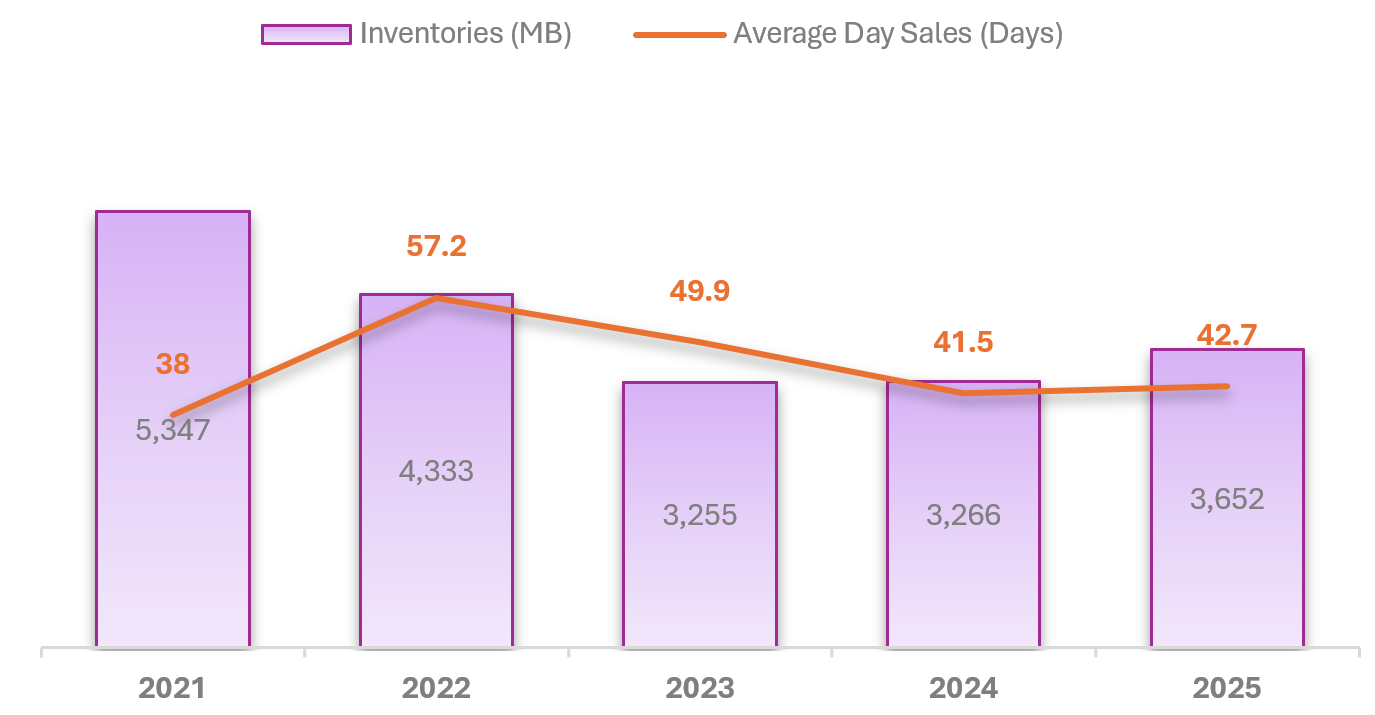
  • Efficient Inventory Management: Optimized inventory levels by closely aligning procurement with accurate demand forecasts. Inventory volume and value are maintained at acceptable levels, as determined by the Company’s guidelines for each product category. To provide context, the Company’s inventory value and average sales turnover for past years are summarized as follows:

  • Appointment of Experts for Inventory Oversight: Assigned Product Managers to oversee the procurement planning and inventory management for each vendor. These managers possess specialized expertise, enabling them to evaluate situations and resolve issues promptly and efficiently.

  • Market Trend Analysis: Leveraged advanced technologies, the Company analyzes market data with accuracy and speed. This enables the identification of customer demand trends and allows for swift operational adjustments to meet evolving market needs.

  • Efficient Inventory Management Systems: Investments in systems such as SAP ECC6 and ThoughtSpot have been made to enhance inventory management. These systems include features like alerts for aged inventory in the database, enabling responsible staff to take corrective actions promptly. The availability of accurate and up-to-date inventory data ensures effective decision-making across all operators and relevant parties.

  • Periodic Review of Terms with Partners: Regularly reviewed and negotiateed terms with its partners, including provisions for returns, exchanges, and other forms of compensation in cases where inventory becomes obsolete or depreciates in value.

  • Sale of Obsolete Inventory via Special Channels: Promoted outdated inventory through discount campaigns and expands related services, such as warranties and repairs, to add value and boost sales.

  • Internal Audit Reviews by Quality Assurance: In addition to monthly meetings with Product Managers to assess inventory value and aging trends, the Quality Assurance Department closely monitored high-value inventory items. This oversight facilitates early identification of risks and the timely implementation of mitigation plans.

732 · Description: Changes in technologies · Info category: STRATEGIC_RISK · 743 · Description: Product obsolescence · Info category: OPERATIONAL_RISK · 1721 · Description: Inventory risk · Info category: OPERATIONAL_RISK
Risk from Competition and Low Gross Profit Margin

The wholesale business of computer equipment, software, and mobile phones operates in a highly competitive industry, where low pricing is often used as a primary strategy to attract customers.

  • Price Competition: In a highly competitive market, price reductions may be necessary, which could lead to lower gross profit margins or the loss of customers to competitors employing aggressive pricing strategies.

  • Entry of New Competitors: New market entrants or existing operators appointed as additional distributors may capture market share through competitive pricing or offering more attractive products and services.

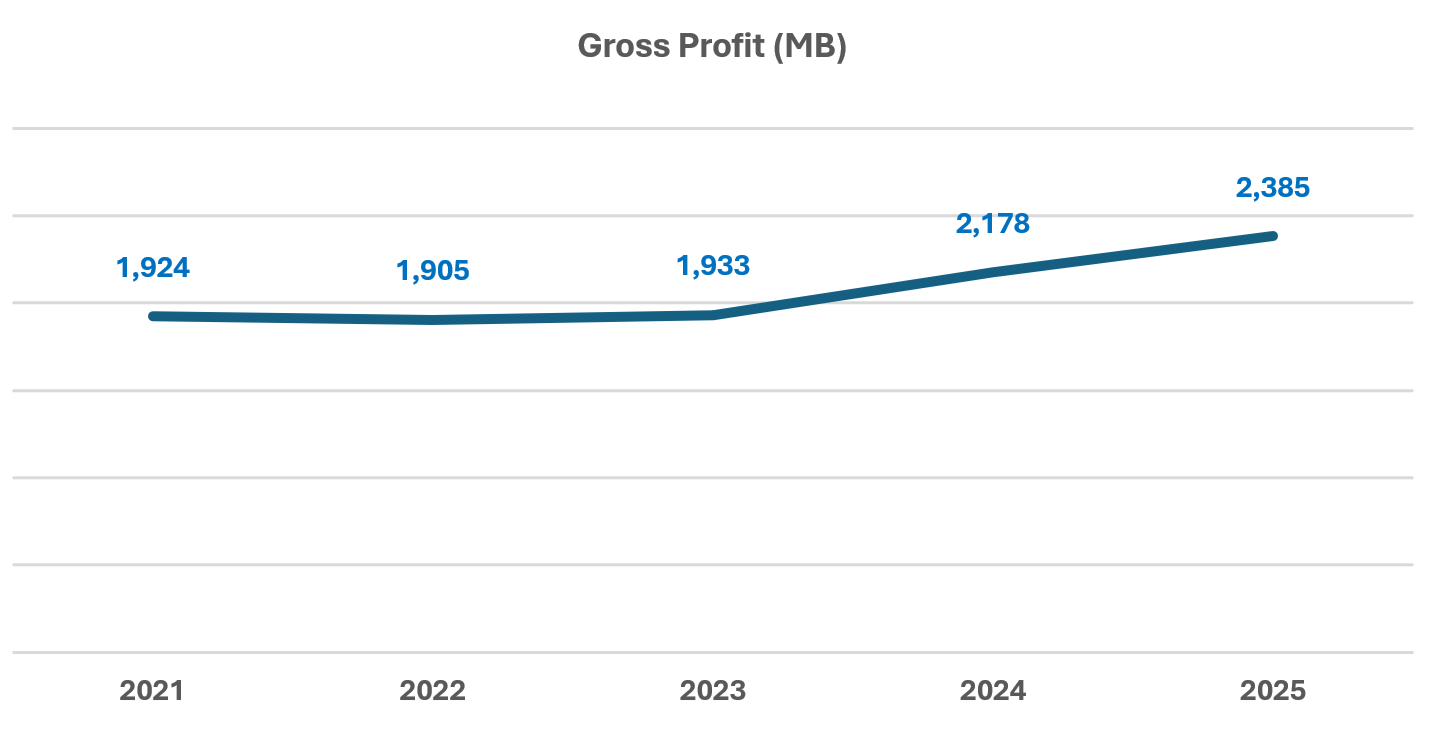
In 2025, the Company’s gross profit increased compared to the previous year, as detailed below. With over 25 years of industry experience, the Company has effectively planned and managed risks in this area, ensuring that risks remain at an acceptable level. As a result, the Company has not been significantly impacted by these risk factors.

The Company has outlined the following strategies to mitigate risks associated with market competition and low gross margins:

  • Product Offerings Diversification: Price competition often affects only certain product categories. Expanding product diversity helps reduce the impact on overall profitability. This includes a focus on Value products, which yield higher gross margins despite contributing lower sales volumes compared to Volume products.

  • Products and Services Differentiation: Developed unique products, such as those targeted at niche markets with limited competition but high profitability, is key. Additionally, offering attractive after-sales services, such as extended warranties or technical consultations, along with supplementary services like expedited delivery or installation support, enhances customer appeal.

  • Customer Relationships Maintaining: Fostered long-term relationships with existing customers helps retain the current customer base while continuously expanding into new markets. This approach ensures stable revenue streams and creates opportunities for growth.

  • Flexible Pricing Strategies: Adopted a flexible approach to pricing allows adjustments based on market demand and customer behavior. This may include offering bundles or value-added packages tailored to customer needs.

  • Marketing and Brand Development: Invested in marketing activities to highlight the unique value of products is essential. For instance, hosting localized showcase events enhances brand visibility and builds customer recognition and trust.

  • Business Structure Optimization: Established separate business units categorized by product type and distribution channel. This structure enables tailored strategies for managing each product category effectively, maximizing their potential in the respective markets.

1714 · Description: Competition risk · Info category: STRATEGIC_RISK
Risk from Reliance on Human Resources

Relying on specific groups or individuals for business operations is a significant risk that may impact the organization. This is especially critical in the current environment, where technology professionals are in high demand, potentially leading to talent attrition or brain drain.

  • Loss of Knowledge: Losing employees may result in the loss of critical knowledge and information, such as insights into business processes or relationships with partners and customers.

  • Business Disruptions or Delays: A shortage of personnel, particularly those with specialized skills, can disrupt operations, cause delays in critical projects, or hinder service delivery.

  • Increased Personnel Costs: Recruiting and training new employees to perform at the same level as their predecessors incurs hiring costs and opportunity costs associated with the time required for skill development.

In 2025, the Company recorded 88 voluntary resignations, representing 10.73% of the workforce, a significant decrease compared with 2024. As a result of the risk management measures implemented as outlined below, the Company was able to recruit sufficient replacement personnel in a timely manner and was not materially affected by risks associated with reliance on key personnel:

  • Internal Knowledge Bases Development: Established systems to store critical information, such as operational manuals, vendor databases, and customer records, reduces dependency on individual employees.

  • Employee Development: Encouraged continuous learning and skill development among employees to build versatile teams capable of managing workloads in the absence of key personnel. Additionally, offering opportunities for internal job rotations based on employee interests fosters adaptability.

  • Responsibilities Distribution: Assigned critical tasks to diverse personnel and ensuring overlapping skill sets among team members enable seamless task coverage. For example, separating Sales and Marketing departments ensures that customers interact with both departments.

  • Succession Plans: Identified and preparing backup personnel for key positions through targeted training and development ensures readiness to assume roles when necessary.

  • Attracts Talent: Created an appealing corporate culture with competitive benefits, performance-based bonuses, EJIP, career growth opportunities, and fostering positive workplace relationships to strengthen employee retention.

  • Leverages Technology: Increased the use of technology and information systems to reduce reliance on personnel. Examples include implementing SAP ECC6 ERP, electronic tax invoice and receipt systems (E-Tax Invoice & Receipt), and various electronic workflow solutions, including Zoho, a platform for storing and managing organizational data. These tools enable systematic management of internal information and documents, ensuring accuracy, speed, and traceability, while minimizing operational errors and enhancing data security within the organization.

  • Engages External Experts: Hired external specialists or teams for specific tasks minimizes reliance on internal personnel while allowing employees to learn from experts to enhance their capabilities.

738 · Description: Reliance on employees in key positions · Info category: OPERATIONAL_RISK · 739 · Description: Shortage or reliance on skilled workers · Info category: OPERATIONAL_RISK
Risk of Dependency on a Limited Number of Key Vendors

In the technology import business, relationships with key vendor are critical to operational success. Reliance on a limited number of key vendors may create significant risks to business operations.

  • Product Shortages or Delays: If key vendors fail to deliver products on time or face production challenges, such as natural disasters, liquidity issues, or raw material shortages, the Company’s operations may be disrupted.

  • Loss of Bargaining Power: Key vendors may leverage their importance by setting unfair pricing or terms or delivering lower-quality products.

  • Limited Product Diversity: Dependence on a small number of vendors may restrict the Company’s ability to meet diverse market demands.

In 2025, the Company successfully managed its revenue and profit in line with its business plan while maintaining relationships with key vendors. As a result, this risk has not had a significant impact on the Company. This achievement is attributed to the Company's extensive experience in continuously and effectively planning risk management. To mitigate the risk of dependency on a limited number of key vendors, the Company has implemented the following risk management measures:

  • Revenue and Profit Management: Established criteria for assessing the revenue and profit contribution from each vendor’s products. It has also defined guidelines for managing products that generate revenue or profit exceeding the designated thresholds, in order to maintain business balance and reduce the risk of over-dependence on key vendor products. In addition, the Company aims to diversify sales across a broader range of brands and products to enhance long-term revenue stability and sustainability.

  • Supplier Networks Maintaining and Expansion: Developed long-term relationships with multiple vendors to build trust and operational flexibility, while continuously strengthening relationships with new vendors to mitigate the risk of relying on only a few key suppliers. The Company also prioritizes attracting new partners through its “Coverage Expansion” concept, focusing on expanding its customer base, particularly among SMB customers, to strengthen sales potential and increase the attractiveness of partnering with the Company.

  • Market and Trend Analysis: Monitored market conditions and product trends and conducts ongoing analysis of market movements and industry changes to prepare in advance. It also tracks insights from vendors, customers, and competitors to determine the appropriate minimum level and mix of inventory that aligns with market demand. This approach supports the Company’s strategy to expand its portfolio of brands and products in order to capture emerging market opportunities.

  • Contingency Planning: Established contingency plans for situations where key vendors are unable to supply products, including sourcing alternative products, increasing the number of substitutable brands and product lines, and implementing a Business Continuity Plan to minimize the impact on sales and customer service.

735 · Description: Reliance on large partners / distributors or few partners / distributors · Info category: STRATEGIC_RISK
Geopolitical Risks

In the context of international business, geopolitical issues play a significant role in creating risks for operations, particularly for import businesses that rely on supply chains spanning multiple countries. Geopolitical tensions, such as sanctions and international trade disputes, can impact the Company’s compliance with legal requirements, procurement of goods, and business relationships.

  • Violation of Trade Requirements: Several partners have implemented measures restricting access to goods from certain countries. For instance, the Company must ensure that products from its partners are not sold to customers on sanction lists. Violations of such requirements may result in legal or commercial repercussions.

  • Trade Relationships: The Company operates with partners from various countries, each with distinct trade requirements, and some may have conflicting interests with other partners. Managing these relationships is complex and sensitive, as any inappropriate actions could harm business ties.

  • Changes in Trade and Tax Policies: Political tensions between countries may lead to changes in tax policies or import-export regulations, affecting product costs and the Company’s competitiveness.

In 2025, the Company has not been significantly impacted by these risks. However, recognizing the potential risks arising from geopolitical conflicts, the Company has implemented risk management measures to maintain its commercial relationships as follows:

  • Trade Compliance Policy: Closely monitored trade regulations from relevant regulatory bodies, partners, and customers. A comprehensive Trade Compliance Policy has been developed to serve as a guideline, minimizing legal risks and preserving business relationships.

  • Customer Screening: Carefully reviewed trade requirements and measures, utilizing technology to screen customers and ensures compliance with applicable regulations.

  • Awareness Building: Educated employees, representatives, and customers about the importance of adhering to the Trade Compliance Policy to foster understanding and accountability.

  • Supply Chain Diversification: To mitigate geographic risks, the Company sourced products from multiple countries, reducing dependency on any single region and lessening the impact of escalating sanctions or trade restrictions.

731 · Description: Policies or international agreements related to business operations · Info category: STRATEGIC_RISK · 1715 · Description: Economic risk · Info category: STRATEGIC_RISK · 755 · Other name: Geopolitical Risks · Description: Other · Info category: OPERATIONAL_RISK
Risk from the Unites States Tariff Policy

In the context of conducting an import-based business, the United States customs tariff policy and related trade measures represent key factors that may affect the Company’s cost structure and competitive position. Volatility in import duty rates, changes in trade policies, or retaliatory trade measures between countries may impact the supply chain, product acquisition costs, and pricing in the Thai market.

  • Volatility in Import Tariff Rates: Changes in the United States tariff policies which increases in import duties that may also cover components or parts used in the manufacturing of IT equipment, could cause a sudden rise in the Company’s product acquisition costs. In addition, retaliatory measures implemented by other countries such as the imposition of additional tariffs or similar trade restrictions, may also result in higher costs for goods imported from those countries. Collectively, these factors may elevate cost risks and adversely affect the Company’s overall competitiveness.

  • Higher Product Costs and Impacts on Competitiveness: The increase in import tariffs may affect the Company’s product costs, which could, in turn, impact selling prices. This may lead to a reduction in consumer purchasing power in the market, as well as a decline in the Company’s profit margins due to the higher costs being absorbed.

  • Impact on the Broader Economy and Purchasing Power: Escalation of such import tariff measures may contribute to a slowdown in Thailand’s overall economic activity and weaken purchasing power among both consumers and businesses, thereby indirectly affecting the demand for the Company’s products.

In 2025, the Company has not experienced any material impact from this risk. Nevertheless, the Company recognizes the uncertainty associated with tariff policies and has implemented the following risk mitigation measures:

  • Diversification of Product Sourcing Locations: Diversified its procurement sources across multiple countries to reduce reliance on specific manufacturing origins that may be affected by the United State tariff measures.

  • Close Monitoring of Government Policies: Continuously monitored developments in tariff policies, trade measures, and retaliatory actions to ensure timely adjustments to import strategies.

  • Strategic Inventory Management: Managed inventory proactively, particularly during periods where cost increases are anticipated, to maintain sales continuity and reduce the impact of sudden price fluctuations.

  • Regular Coordination with Vendors: Maintained ongoing communication with vendors to track price trends, updated cost structures, and potential implications of trade measures, enabling more accurate planning for procurement and pricing strategies.

740 · Description: Shortage or fluctuation in pricing of raw materials or productive resources · Info category: OPERATIONAL_RISK · 731 · Description: Policies or international agreements related to business operations · Info category: STRATEGIC_RISK
Risk from Government Instability

The Company's core business involves the sale of products and services in a Business-to-Business (B2B) model, which is closely linked to economic factors and both public and private sector projects. In particular, it is impacted by government spending and operations. Political instability or unexpected changes in government policies may directly affect market demand for products and services. An economic slowdown and reduced domestic purchasing power could lead to a decrease in emand for the Company’s products and services, impacting sales and overall performance.

  • Economic Slowdown: Political instability may lead to an economic slowdown in Thailand, resulting in reduced public and private sector investments. This can cause a decline in demand for products in certain market segments, which may negatively affect the Company’s sales.

  • Delay in Government Budget Disbursements: Political changes may slow down the government’s budget disbursement processes, particularly in relation to projects that could impact market demand.

  • Decline in Purchasing Power: Political uncertainty may lead consumers and businesses to become more cautious in their spending, which could reduce overall purchasing power in the market, negatively affecting the Company’s sales.

In 2025, the Company has not experienced any material impact from these risks. However, the Company acknowledges the uncertainty posed by government instability and has implemented risk management measures to mitigate these potential impacts, as follows:

  • Maintaining Competitive Pricing Strategy: Employed a competitive pricing strategy during economic slowdowns to maintain market competitiveness.

  • Coordination with Partners: Collaborated closely with vendors to plan promotional and marketing activities aimed at stimulating consumer demand during periods of economic slowdown.

  • Close Monitoring of Government Policies: Closely monitored political changes and government policies to respond quickly and adjust business strategies to align with the evolving situation.

729 · Description: Behavior or needs of customers / consumers · Info category: STRATEGIC_RISK · 730 · Description: Government policy · Info category: STRATEGIC_RISK · 733 · Description: Business operations of partners in the supply chain · Info category: STRATEGIC_RISK · 1715 · Description: Economic risk · Info category: STRATEGIC_RISK
Foreign Currency Exchange Risk

Foreign exchange risk (FX) is one of the key risks faced by import-oriented businesses, as it can directly affect profitability, product costs, and financial management. Effective management of this risk is therefore essential to maintaining competitiveness and financial stability

  • Increase in imported product costs: Exchange rate volatility—particularly a depreciation of the Thai Baht may increase import costs, resulting in lower gross margins.

  • Foreign Exchange Losses: If the Company enters into forward foreign exchange contracts and the exchange rate subsequently declines, the Company may incur FX losses on the forward contracts previously purchased.

  • Revenue Volatility: Exchange rate movements may affect market pricing, potentially impacting the Company’s competitiveness and causing fluctuations in revenue and profit during certain periods.

  • Uncertainty In Financial Planning: Exchange rate volatility may reduce the accuracy of the Company’s financial planning and management, including procurement cost budgeting, sales pricing, and forecasting future cash flows.

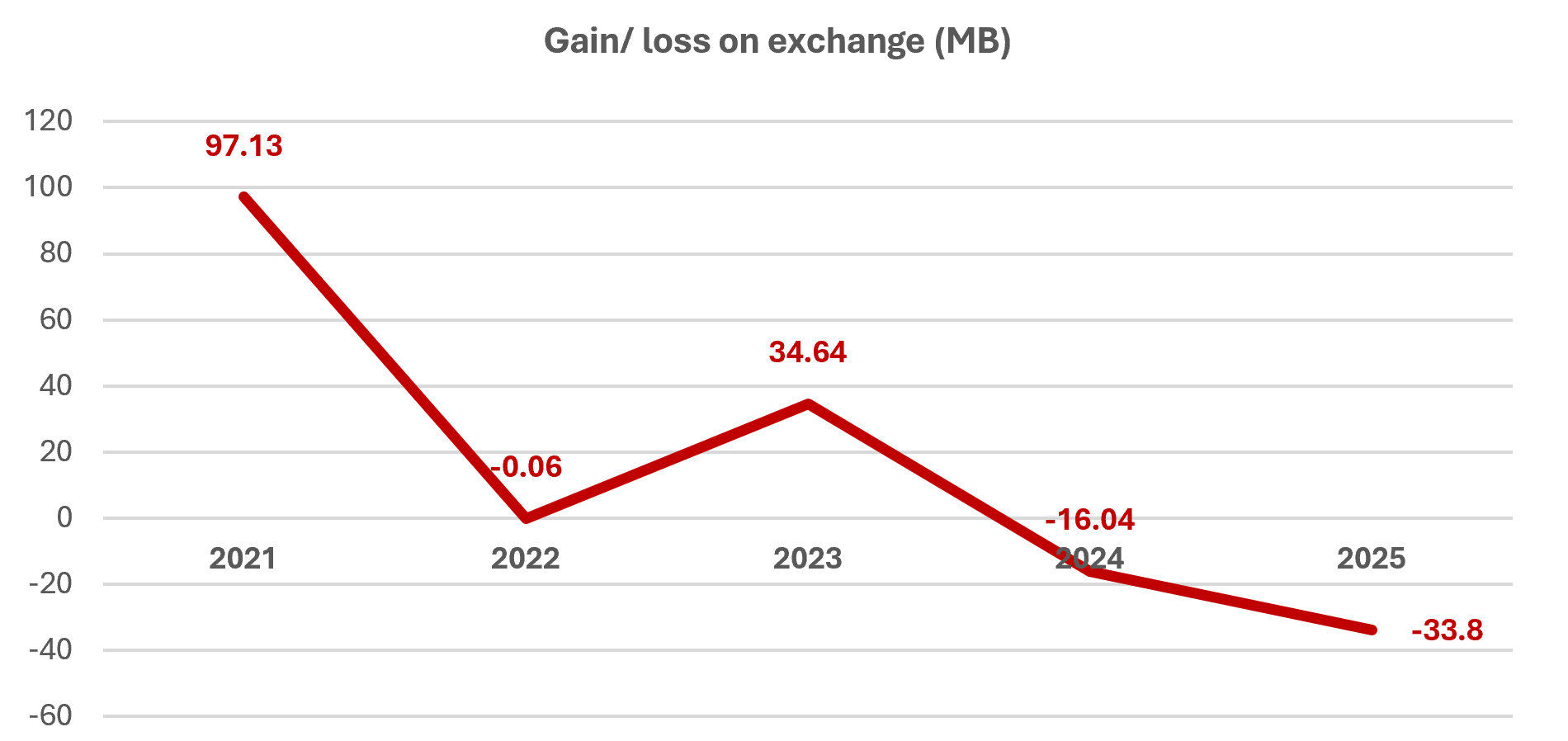
In 2025, the Company incurred a loss from foreign exchange accounting transactions, amounting to 34 million Baht, as detailed below.

Recognizing the risks associated with foreign exchange fluctuations, the Company has developed a risk management plan to mitigate the impact of exchange rate volatility, as follows:

  • Forward Foreign Exchange Contracts: Closely monitored economic and financial conditions, assess exchange rate trends, and enter into forward contracts to help reduce the impact of FX fluctuations.

  • Foreign Currency Management: Maintained foreign currency accounts to receive and make payments to business partners directly, enhancing financial flexibility, reducing currency conversion costs, and improving liquidity management efficiency.

  • Pricing Linked to Forward Contract Exchange Rates: Set selling prices in line with exchange rates referenced to forward foreign exchange contracts to mitigate exposure to FX volatility.

  • Risk Diversification: Diversified sourcing channels and expanded business opportunities across multiple countries to reduce reliance on any single currency.

  • Use of Local Currencies in Transactions: Negotiated with business partners to use local currencies for collections and/or purchase orders to reduce dependence on major currencies and mitigate FX volatility.

  • Ongoing Monitoring and Analysis of Exchange Rates: Maintained regular coordination with financial institutions to obtain market updates, analysis, and recommendations on FX trends, supporting adjustments to financial strategies and the determination of appropriate hedging levels.

  • Employee Training: Provided training to relevant employees on FX risk management, including practical guidelines and the appropriate use of financial instruments, to strengthen organizational capabilities and enhance the effectiveness of risk management.

764 · Description: Fluctuation in exchange rates, interest rates, or the inflation rate · Info category: FINANCIAL_RISK
Credit Risk

As a domestic wholesale business, the Company primarily serves small and medium-sized enterprises (SMEs) with limited access to financial institution credit. Extending credit to customers is a key strategy to drive sales, but it also carries the risk of bad debt if customers fail to meet their payment obligations. This could negatively impact cash flow, the Company’s ability to meet financial commitments, and overall financial stability. Therefore, effective risk management requires stringent control systems and continuous monitoring.

  • Insufficient Information for Decision-Making: Making credit limit approval decisions based on insufficient, outdated information, or using inadequate credit policies may result in the Company releasing credit to customers who are unable to repay, potentially leading to bad debt.

  • Economic and Industry Conditions: Economic slowdowns or changes in the industry, such as inflation, high household debt, or interest rate fluctuations, may affect customers' ability to repay debt.

  • Inefficient Debt Monitoring and Management: Failure to follow up on credit extensions and monitor debt repayment regularly, such as not tracking the status of debtors or ensuring timely payments, can result in increased bad debt.

  • Dependence on Key Customers: If a major customer defaults on payment, it could impact cash flow and the Company's financial performance.

In 2025, the Company experienced an impact from bad debt, accounting for less than 1% of total revenue. This was due to the Company's implementation of the following risk management measures:

  • Customer Creditworthiness Assessment: Established a robust credit limit approval policy and stringent customer credit review procedures. The Credit, Accounting, and Sales functions are segregated to ensure independent and auditable decision-making. A committee is also established to review cases involving disputes or matters beyond the Credit function’s authority.

  • Appropriate Credit Limit Setting: Set credit limits based on customers’ repayment capacity and payment history, with regular reviews conducted.

  • Receivables Control and Monitoring System: Utilized technology to closely control and monitor receivables status, improving the effectiveness of collections management.

  • Trade Collateral: Additional collateral is required from customers in accordance with the Company’s credit limit approval policy to strengthen collection assurance.

  • Trade Credit Insurance: The Company purchases trade credit insurance to help mitigate losses arising from customer non-payment.

  • Ongoing Monitoring of Customers’ Financial Condition: The Company meets with key customers to monitor their financial condition and relevant information on an ongoing basis to continually assess repayment capability.

  • Provision for Bad Debts: The Company records an allowance for doubtful accounts in its financial statements for receivables expected to be uncollectible, ensuring the statements reflect the receivables’ realizable value.

763 · Description: Default on payment or exchange of goods · Info category: FINANCIAL_RISK
Sustainability Risk

Sustainability has become an increasingly critical issue in the business sector, particularly in the IT industry, which operates within a complex global supply chain.

  • Non-Compliance with Environmental and Ethical Regulations: Sourcing products from multiple international suppliers, each subject to different trade regulations, may lead to non-compliance risks. Failure to meet these requirements could result in legal penalties and reputational damage.

  • Stakeholder Expectations: Business partners, customers, investors, and regulatory bodies expect the company to operate with social and environmental responsibility. Neglecting these expectations could lead to a loss of trust and competitiveness.

In 2025, while the Company has not yet experienced significant direct impacts from these risks, it has established proactive risk management measures to mitigate potential future impacts, including:

  • Clear Sustainability Strategy Definition: Developed policies, goals, and strategies that comprehensively address sustainability across ESG dimensions.

  • Effective Governance: Established a Corporate Governance and Sustainability Committee to oversee sustainability initiatives, working in coordination with the Risk Management Committee. A dedicated unit has been assigned to monitor legal and regulatory developments affecting business operations. Additionally, the Quality Assurance Department ensures compliance with laws, regulations, and company policies, leveraging technology for regulatory tracking and monitoring.

  • Sustainability Development: Actively monitored industry trends and regulatory updates to enhance capabilities and raise awareness among employees and stakeholders through training programs and engagement activities.

  • Transparent Disclosure: Disclosed sustainability-related information through the Form 56-1 One Report to demonstrate transparency and accountability in business operations.

1717 · Description: ESG risk · Info category: STRATEGIC_RISK
Environmental Pollution Risk

In an era where sustainability and environmental protection are critical to business operations, companies engaged in importing and wholesaling must navigate environmental challenges throughout their supply chain from importation and distribution to end-of-life product management. Effective environmental risk management is essential to minimizing negative environmental impacts while enhancing corporate credibility.

  • Electronic Waste Management: Improper disposal of electronic waste, such as damaged or unsellable equipment, may lead to environmental pollution.

  • Use of Natural Resources: The importation of products made from non-sustainable materials or packaging composed of plastic and other non-biodegradable substances.

  • Greenhouse Gas (GHG) Emissions from Logistics: International imports and domestic distribution contribute significantly to GHG emissions.

  • Non-Compliance with Environmental Regulations: Variations in environmental laws across different countries may pose challenges in regulatory compliance.

Although the Company has not yet experienced a significant impact from these risks in 2025, managing such risks requires time and resources due to the Company's extensive operations. The Company imports products from over 170 vendors across multiple countries and distributes them to more than 10,000 customers. Currently, the Company is in the process of assessing the feasibility of electronic waste management and promoting the use of sustainable materials. Some initial measures have already been implemented, as detailed below:

  • GHG Emissions Analysis: Collected GHG emissions data for Scope 1 and Scope 2 to identify key emission sources, which will be used to support effective planning for GHG emissions reduction.

  • Alternative Energy Adoption: Installed clean energy from solar power at its warehouse and service center in Nakhon Ratchasima.

  • Energy-Efficient Equipment Utilization: Implemented energy-saving electrical appliances, smart meeting room systems, and electronic documentation to reduce paper consumption.

  • Logistics Efficiency Optimization: Utilized technology to enhance route planning, reducing transportation distances and associated emissions.

  • Environmental Regulatory Compliance: Established a dedicated compliance team to oversee and ensure adherence to environmental laws and regulations.

  • Environmental Awareness Cultivation: Fostered a corporate culture that prioritizes environmental responsibility through training programs and awareness initiatives for employees and relevant persons.

  • Sustainability Communication: Publicly disclosed environmental policies and management outcomes to promote transparency and accountability.

1717 · Description: ESG risk · Info category: STRATEGIC_RISK · 751 · Description: Impact on the environment · Info category: OPERATIONAL_RISK
Workplace Environmental Risk

Workplace environment risks encompass health, safety, and employee satisfaction factors, all of which influence operational efficiency and corporate sustainability. Poor management of these risks may lead to legal issues, injuries, property damage, or decreased employee morale.

  • Warehouse Safety: Improper handling of storage equipment or forklifts may result in workplace accidents.

  • Working with Technology Equipment: Prolonged computer use may lead to adverse health effects.

  • Hygiene and Sanitation: Unsanitary conditions may contribute to the spread of diseases or negatively impact employees' mental well-being.

  • Physical Workplace Environment: Poor ventilation, excessive noise, or inadequate lighting may affect employee health.

  • Job Satisfaction: A dissatisfactory work environment may lead to stress or high employee turnover.

  • Natural Disaster: Events such as floods, fires, or earthquakes may pose threats to workplace safety.

In 2025, the Company expanded the scope of its accident data collection to cover all operational areas and all relevant activities, including incidents occurring during transportation. An electronic “Accident Occurrence” database has been established to ensure standardized incident recording and to provide employees, supervisors, and relevant functions with information to monitor cases, analyze root causes, and implement preventive measures to systematically reduce recurrence.

In 2025, the Company recorded a total of 15 work-related accidents, comprising 12 cases in the warehouse and 3 cases during transportation. None of these incidents resulted in fatalities, serious injuries, or lost-time cases. To prevent and mitigate risks related to safety, occupational health, and the working environment, the Company implemented the following key measures:

  • Regular Risk Assessment and Workplace Inspections: Conducted routine inspections of work areas and warehouses to identify hazards and implement corrective action plans and verify the readiness of safety equipment such as fire extinguishers, smoke detectors, and CCTV systems.

  • Safe Work Practices and Operational Controls: Established clear work procedures, particularly for material handling/movement and transportation-related activities, and ensure compliance to reduce unsafe practices and prevent recurrence.

  • Specialized Equipment Training and Competency Refreshers: Provideed training on the proper use of specialized equipment. Operators must complete the required training and be authorized before performing work. Refresher training is conducted regularly to enhance skills, strengthen safety awareness, and reduce risks associated with improper equipment use.

  • Emergency Preparedness and Response: Developed emergency plans and provide training and drills so employees understand emergency procedures (e.g., fire evacuation, incident reporting, and fire extinguisher use) to enable a timely and safe response.

  • Ergonomic Workstation Design: Arranged workspaces and equipment to suit job requirements to reduce fatigue and work-related injuries, such as providing adjustable furniture, positioning computer monitors at eye level, and ensuring adequate lighting.

  • Hygiene and Workplace Environment: Maintained cleanliness in work areas and warehouses and provide necessary cleaning/disinfection supplies to reduce health risks and promote a safe working environment.

  • Safety Culture and Employee Participation: Encouraged ongoing reporting of accidents, near-misses, and safety suggestions, and ensure adequate and appropriate first-aid supplies are available for immediate response.

  • Review and Continuous Improvement of Measures: Periodically reviewed and updated policies and measures on safety, occupational health, and the environment to ensure compliance with applicable legal requirements and relevant standards, and to continuously enhance workplace safety.

In 2025, the Company reported no losses or damages arising from workplace environmental risks.

749 · Description: Safety, occupational health, and working environment · Info category: OPERATIONAL_RISK · 1717 · Description: ESG risk · Info category: STRATEGIC_RISK
Risks from Epidemics and Severe Infectious Diseases

Epidemics and severe infectious diseases pose significant risks to business operations, affecting employee health, workplace functionality, and stakeholder confidence. This is particularly critical for import and wholesale businesses that require constant interactions with domestic and international partners and customers.

  • Workplace Infections: Employees may contract infections due to working in densely populated areas or close contact with colleagues.

  • Impact on Workforce: Infections or quarantine requirements may lead to employee absenteeism, affecting business continuity.

  • Supply Chain Disruptions: Vendors may face pandemic-related challenges, impacting the availability of imported and sourced goods.

  • Shifts in Customer Demand: Epidemic situations may lead to changes in customer purchasing behavior.

  • Reputational Risks: Failure to manage epidemics or comply with appropriate health measures may damage the Company’s reputation.

Since COVID-19 was reclassified as an endemic disease in Thailand in 2022, the Company has not experienced significant impacts from other epidemics. However, the Company has established the following risk management strategies to address future outbreaks:

  • Health and Safety Policies: Implemented workplace safety, occupational health, and environmental policies to guide operations.

  • Work from Home Measures: Enabled partial remote work to reduce infection risks during outbreaks, providing necessary work tools and adapting workflows to align with safety protocols. Technologies such as virtual meetings and electronic work systems are utilized to support operations.

  • Epidemic Response Readiness: Closely monitored emerging infectious diseases and establish preventive measures, including acquiring disinfection supplies, vaccines, and educating employees on disease prevention.

  • Customer Demand Management: Analyzed customer purchasing trends during outbreaks and adjust sales strategies, accordingly, introducing alternative services or solutions to accommodate shifting needs.

  • Compliance with Legal and Regulatory Measures: Stay updated on government-imposed health and safety regulations and ensure organizational compliance with public health requirements.

  • Reputation Risk Management: Communicated transparently with customers and partners regarding the Company’s epidemic response measures to maintain trust and confidence.

  • Business Continuity Planning: Developed contingency plans that account for epidemic scenarios or other high-impact events affecting business operations.

In 2025, the Company did not incur any damage arising from epidemics and severe infectious diseases risks.

749 · Description: Safety, occupational health, and working environment · Info category: OPERATIONAL_RISK · 1717 · Description: ESG risk · Info category: STRATEGIC_RISK · 1718 · Description: Pandemic risk · Info category: STRATEGIC_RISK
Human Rights Risks

The Company recognizes the importance of respecting human rights throughout the supply chain and has implemented comprehensive human rights due diligence across its business operations to identify, assess, prevent, mitigate, monitor, and report potential human-rights risks. This due diligence covers both the Company’s own operations and the supply chains of its suppliers. As the Company operates as an importer and wholesaler of IT equipment and does not operate manufacturing facilities, it assesses its overall human-rights risk exposure to be low. Nevertheless, the Company has established control measures and ongoing monitoring to ensure that any impacts remain low or within acceptable levels.

The Company conducts comprehensive human rights due diligence by integrating it into the organization’s risk management and good corporate governance framework. Key steps include: risk identification; risk assessment; the establishment of preventive and mitigation measures; monitoring and review; and communication and reporting. The Company assesses risks prior to entering into transactions or business relationships through the relevant functions and conducts periodic reviews as appropriate. The primary assessment criteria are the severity of potential impacts on stakeholders and the likelihood of occurrence, which are used to prioritize risk issues.

  • Unfair Labor Practices in Upstream Supply Chains of Business Partners: Risks may arise during vendors’ manufacturing and logistics processes (e.g., forced labor, child labor, inappropriate wages), which are beyond the Company’s direct control. The Company assesses the potential impact severity as moderate to high, while the likelihood varies by country, industry, and the partner’s supply chain structure. The Company applies supplier selection and oversight measures to manage residual risk to an acceptable low level.

  • Discrimination and Unfair Treatment of Employees: Discrimination, harassment, or unequal treatment may occur due to individual differences, including labor-rights issues related to employment conditions, wages, benefits, and working hours. The Company assesses the impact severity as moderate, but the likelihood as very low, resulting in an overall low risk level, supported by governance measures, whistleblowing/reporting channels, and managerial oversight through line organization.

  • Occupational Health and Safety Risks: Workplace accidents may occur at offices and warehouses (e.g., lifting or moving equipment, use of material-handling aids), including safety risks to employees and external contractors on Company premises. The Company assesses the impact severity as high, but the likelihood as very low, resulting in an overall low risk level due to appropriate workplaces and equipment, along with job-specific safety supervision.

  • Violation of Privacy and Personal Data: Unauthorized access to, use, disclosure, or leakage of customers’, business partners’, or employees’ personal data may occur, including information security incidents, potentially affecting stakeholders’ rights and trust. The Company assesses the impact severity as moderate to high, but the likelihood as low, resulting in an overall low risk level. Nevertheless, the Company maintains controls to ensure residual risk remains consistently low.

  • Fair Treatment of Customers and Consumers: Risks may arise from product information, sales terms, warranty, after-sales service, marketing communications that could cause misunderstandings, and complaint handling, potentially impacting customer and consumer rights. The Company assesses the impact severity as moderate and the likelihood as low, resulting in an overall low risk level, supported by appropriate remediation, corrective, and preventive systems.

  • Responsible Credit Extension and Debt Collection: Risks may arise from non-transparent or unfair determination of trade credit limits and terms, related communications, and inappropriate debt collection or overdue debt management practices, potentially affecting customers’ dignity and privacy. The Company assesses the impact severity as moderate and the likelihood as low, resulting in an overall low risk level, as the Company has defined practices and internal governance procedures to ensure operations are fair, auditable, and compliant with applicable laws.

To control and manage risks within an acceptable level, the Company has implemented key measures that effectively mitigate human-rights risks. As a result, in 2025 the Company did not experience any impacts from these issues. The key measures implemented include:

  • Responsible Partner Selection and Oversight: Assessed partners’ credibility, reputation, and commercial terms prior to entering into a business relationship, by the relevant functions within their delegated authority. Communicate expectations on business ethics and respect for human rights to partners as appropriate, and periodically review significant suppliers.

  • Prevention of Unfair Labor Practices in the Supply Chain: Established a Codes of Conduct for Business Partners prohibiting forced labor and child labor and requiring compliance with applicable labor laws. Incorporate these considerations into supplier selection and define appropriate follow-up and remediation actions when concerns are identified.

  • Communication of Human Rights Policy and Grievance Channels: Developed and communicated practices that promote equality, appropriate treatment, and a harassment and discrimination-free workplace. Provide safe and confidential grievance and whistleblowing channels with protection for reporters.

  • Governance of Fair Employee Treatment: Oversaw employment practices, compensation, benefits, and working hours to ensure alignment with applicable laws and internal policies, including processes to receive, investigate, and address complaints or related incidents.

  • Occupational Health and Safety: Ensured the work environment and equipment are suitable for the nature of the work, communicate safety procedures, and monitor safety incidents to prevent potential occurrences.

  • Personal Data Protection and Information Security: Collected and retained data only as necessary; restrict access rights based on roles and need-to-know. Maintain information security guidelines, related communications and training, and reporting channels for incidents or concerns, with regular reviews of access permissions.

  • Customer and Consumer Protection: Ensured the accuracy of product information and sales terms, warranties, and after-sales services. Provide complaint channels, remediation and corrective processes, and appropriate measures to prevent recurrence.

  • Governance of Fair Credit Provision and Debt Collection: Defined clear approval authorities and workflows, communicate relevant terms transparently, and conduct debt collection in an appropriate, auditable manner that respects customers’ dignity and privacy.

To ensure the effectiveness of its human rights due diligence, the Company has established regular monitoring and review of human-rights risks through various mechanisms, such as grievance and whistleblowing channels, monitoring of occupational health and safety incidents, monitoring of incidents or complaints relating to personal data and information security, and periodic reviews of the business context or material business partners. Findings are consolidated and reported to the Risk Management Committee and the Corporate Governance and Sustainability Committee on a regular basis in line with the Company’s reporting cycle.
While these measures resulted in no complaints or lawsuits alleging human-rights violations in 2025, the Company remains committed to implementing preventive measures and to ongoing monitoring and review to keep risks within acceptable levels.

758 · Description: Violations of laws and regulations · Info category: COMPLIANCE_RISK · 1717 · Description: ESG risk · Info category: STRATEGIC_RISK · 753 · Description: Impact on human rights · Info category: OPERATIONAL_RISK
Fraud and Corruption Risk

Corruption risks pose a significant threat to reputation, stakeholder confidence, and long-term sustainability. Without effective preventive measures, organizations may face financial losses, legal consequences, and severe reputational damage.

  • Bribery in Business Operations: Risks related to bribery aimed at expediting import processes, product distribution, or obtaining permits, as well as gaining unfair advantages.

  • Operational Vulnerabilities: Gaps in operational processes that employees or stakeholders may exploit for fraudulent activities.

  • Lack of Transparency: Unclear or unrecorded processes that create opportunities for corrupt practices.

To address these risks, the Company has continuously implemented risk management measures. Since 2024, the Company has been a member of the Thai Private Sector Collective Action Against Corruption (CAC), which has strengthened and modernized our operating practices to better align with current conditions. The Company’s current risk management plan is as follows:

  • Anti-Bribery and Corruption Policy: Regularly updated and communicated clear Anti-bribery and Corruption Policy, ensuring their application across all levels of the organization, including business partners, customers and agents.

  • Fostering Ethical Awareness: Educated the directors, the Management, and employees on fraud prevention, raising awareness of potential impacts, and providing guidance on reporting suspicious activities.

  • Internal Audits: Conducted regular audits to identify risks and misconduct, implementing transparent transaction monitoring systems, and establishing clear follow-up procedures.

  • Whistleblowing Mechanisms: Established secure and confidential reporting channels for employees and external parties, with protective measures for whistleblowers.

  • Leveraging Technology to Reduce Risks: Implemented multi-level approval systems and digital tools to enhance process transparency.

  • Board-Level Oversight: Assigned the Audit Committee and the Corporate Governance and Sustainability Committee to ensure governance transparency and accountability.

  • Business Partners Due Diligence: Assessed the credibility of business partners before transactions and requiring compliance with the Codes of Conduct for Business Partners, which covers anti-corruption practices.

  • Regular Risk Assessments: Continuously reviewed and updated fraud risk assessments to align with evolving business environments.

  • Participation in the Thai CAC: Participated as a member of the CAC to strengthen anti-corruption knowledge, improve compliance practices, and adapt to emerging risks.

In 2025, the Company did not incur any damage arising from fraud and corruption risk.

758 · Description: Violations of laws and regulations · Info category: COMPLIANCE_RISK · 759 · Description: Corporate Governance · Info category: COMPLIANCE_RISK · 754 · Description: Corruption · Info category: OPERATIONAL_RISK
Cyber Security Risk

In the digital era, information security is a critical concern for businesses, particularly for importers and wholesalers of IT equipment that handle large volumes of sensitive data, including customer information, financial transactions, and inventory management. Information security risks can lead to financial losses, reputational damage, and severe business disruptions.

  • Malware Attacks: Threats such as ransomware that can encrypt critical organizational data.

  • Data Theft: Unauthorized access or theft of the Company’s data.

  • Phishing Attacks: Fraudulent emails designed to steal personal information or passwords.

  • Insider Threats: Intentional or unintentional employee actions that compromise system security.

In 2025, the Company was not affected by any information security risks, as proactive management and robust preventive planning were implemented as follows:

  • Enhanced System Security: Implemented and regular updated of antivirus software and firewalls to detect and prevent intrusions.

  • Strong Authentication Systems: Adopted two-factor authentication and enforcement of secure password policies.

  • Data Protection: Encryption of critical data and regular data backups.

  • Information Security Policy: Established and disseminated a clear Information Security Policy to guide employees and stakeholders.

  • Continuous Security Assessments: Regular test on system security audits and vulnerability to strengthen defenses.

  • Employee Awareness Training: Cybersecurity training programs to educate employees on potential threats and reduce unintentional security breaches.

  • Partnerships with Experts: Collaborated with cybersecurity specialists, as the Company is an authorized distributor of multiple security products.

In 2025, the Company did not incur any damage arising from cyber security risk.

744 · Description: Information security and cyber-attack · Info category: OPERATIONAL_RISK · 1720 · Description: System disruption risk · Info category: OPERATIONAL_RISK
Risk from Non-Compliance with Personal Data Protection Regulations

The Personal Data Protection Act B.E. 2562 has been enacted in Thailand to safeguard personal data and impose obligations on businesses that collect, use, and process such data. Non-compliance may result in legal penalties, reputational damage, and loss of customer trust.

  • Unauthorized Data Processing: Collecting or using personal data without obtaining consent from the data owner.

  • Data Breaches: Security incidents that result in unauthorized access to or leakage of personal data.

  • Failure to Comply with Data Subject Rights: Not responding to requests from data owners, such as requests for data correction or deletion.

  • Lack of Employee Awareness: Employees may lack adequate knowledge of regulatory requirements and proper data handling practices.

  • Absence of Data Processing Records: Failure to maintain records of data collection and processing, which may impact the audits.

  • Non-Compliance by Agent: Agents engaged by the Company failing to adhere to data protection requirements.

In 2025, the Company did not experience any adverse impacts from non-compliance with personal data protection regulations. The Company has implemented comprehensive risk management measures, including:

  • Personal Data Protection Policy: Establishing a personal data protection policy and privacy notice, communicated to employees and relevant persons.

  • Consent Management: Implementation of consent forms for collecting, using, and/or disclosing personal data, requiring signatures from relevant parties such as customers and employees.

  • Training and Organizational Culture: Conducting employee training on personal data protection and fostering a corporate culture that prioritizes privacy.

  • Continuous Monitoring and Improvement: Regular internal audits and updates to personal data management processes to ensure compliance.

  • Stakeholder Communication: Development of a Codes of Conduct for Business Partners that includes data protection requirements, ensuring awareness and compliance among partners, customers, and agents.

In 2025, the Company did not incur any damage arising from risk from non-compliance with Personal Data Protection regulations.

758 · Description: Violations of laws and regulations · Info category: COMPLIANCE_RISK · 744 · Description: Information security and cyber-attack · Info category: OPERATIONAL_RISK · 753 · Description: Impact on human rights · Info category: OPERATIONAL_RISK
Emerging Risk

In a rapidly evolving business landscape, IT import and wholesale businesses must navigate emerging risks that could impact` competitiveness and sustainable growth. The Company must adapt to new technologies, regulatory changes, and shifting market demands.

  • Social Expectation: Consumers and investors may demand greater focus on ESG practices.

  • Climate Change: Environmental changes, such as natural disasters, could disrupt supply chains and business operations.

  • Technological Dependence: Uncontrolled reliance on AI and automation may lead to operational errors.

  • Competitive from New Market Entrants: Emerging businesses leveraging advanced technology and innovative business models may disrupt market share.

As a leading technology importer, the Company proactively addresses these challenges through the following strategies:

  • Investment in Risk Analysis: Hiring skilled professionals to closely monitor emerging risks and collaborating with business partners worldwide, leveraging the Company’s strong relationships with global vendors.

  • Global Trend Monitoring: Utilizing the Company’s diverse international sourcing network to stay informed about global market shifts and industry trends.

  • Sustainability Strategy Development: Conducting stakeholder analysis across the supply chain to anticipate and mitigate emerging risks effectively.

  • AI and Automation Governance: Implementing clear guidelines for the safe and transparent use of AI and automation, with regular reviews to ensure compliance and efficiency.

  • Competitive Advantage Enhancement: Utilizing data analytics and market intelligence to assess competitors and swiftly adjust strategies to maintain a competitive edge.

755 · Other name: Emerging Risk · Description: Other · Info category: OPERATIONAL_RISK

Risks to Securities Holders' Investment

Risk Register

Risk NameRisk CharacteristicsConsequencesManagement MeasuresRelated Risk Factors
Risks Related to the Company’s Operating Results

Industry conditions and economic trends are key factors influencing investment returns. When the economy expands and the Company performs well, investors have a higher chance of receiving greater returns. Conversely, during economic downturns and declining the Company’s performance, investor returns are likely to decrease.

Investors may receive investment returns lower than expected if the economy slows down and the Company’s operating performance declines.

  • Effective Management: Developing clear strategic plans to reduce costs and increase revenue, led by an experienced management team with a transparent and accountable corporate structure.

  • Transparent Disclosure: Regular publication of financial performance and risk factors through reports such as the Form 56-1 One Report, ensuring investors have access to clear and reliable information.

  • Clear Communication: Engaging with shareholders via annual general meetings, financial analyst meeting and Opportunity Day events at the SET, as well as offering both physical and virtual company visits.

  • Regulatory Compliance: Monitoring legal and regulatory changes and conducting regular internal audits to ensure adherence to relevant requirements.

768 · Description: Return from investment of securities holder · Info category: HOLDER_RISK
Risks Arising from Uncertainty of Expected Returns

The uncertainty of the expected rate of return is often caused by the volatility of security prices. Investors may sell securities at a lower price than anticipated or may not receive dividends or receive them at a lower level than expected. This lower-than-expected return may result from the issuer’s uncertain net cash flow, making shareholder returns unpredictable.

Selling securities at a lower-than-expected price or not receiving dividends, or receiving them at a lower-than-expected level.

  • Effective Management: Developing clear strategic plans to reduce costs and increase revenue, led by an experienced management team with a transparent and accountable corporate structure.

  • Transparent Disclosure: Regular publication of financial performance and risk factors through reports such as the Form 56-1 One Report, ensuring investors have access to clear and reliable information.

  • Clear Communication: Engaging with shareholders via annual general meetings, financial analyst meeting and Opportunity Day events at the SET, as well as offering both physical and virtual company visits.

  • Regulatory Compliance: Monitoring legal and regulatory changes and conducting regular internal audits to ensure adherence to relevant requirements.

769 · Other name: Uncertainty in Return on Investment · Description: Other · Info category: HOLDER_RISK
Contents